
Introduction
In vitro fertilization (IVF) has transformed fertility treatment by helping millions of individuals and couples pursue parenthood. One of the most important advances in IVF is Frozen Embryo Transfer (FET), a procedure that involves transferring a previously frozen embryo into the uterus during a later treatment cycle.
Over the years, improvements in embryo freezing technology have significantly increased the effectiveness of FET procedures. As a result, many fertility specialists now routinely recommend frozen embryo transfers in certain situations. However, one of the most common questions patients ask is: “What are the success rates of frozen embryo transfer?”
The answer depends on several factors, including age, embryo quality, uterine health, and overall reproductive history. Understanding these factors can help patients develop realistic expectations and make informed decisions throughout their fertility journey.
What Is a Frozen Embryo Transfer?
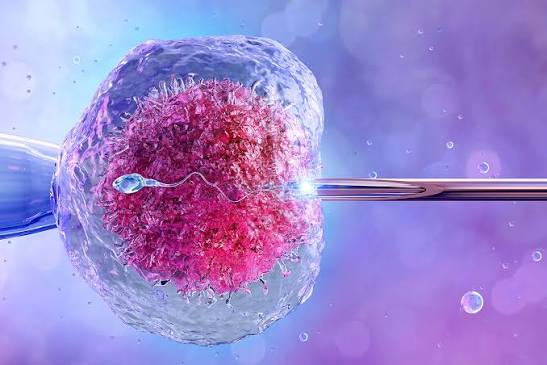
A Frozen Embryo Transfer is a procedure in which an embryo created during a previous IVF cycle is thawed and transferred into the uterus.
During a standard IVF cycle, multiple eggs are retrieved and fertilized in a laboratory. The resulting embryos may be transferred immediately or frozen for future use.
With modern freezing methods, embryos can remain preserved for years while maintaining excellent viability. When the patient is ready, one or more embryos are thawed and transferred during a carefully prepared cycle.
This approach offers flexibility and may improve outcomes for some patients.
How Are Embryos Frozen?
Embryos are typically frozen using a process called vitrification.
Vitrification is an ultra-rapid freezing technique that minimizes ice crystal formation within the embryo. This significantly improves embryo survival rates during thawing compared to older freezing methods.
Today, embryo survival rates after vitrification are exceptionally high, often exceeding 90% in many fertility clinics.
These advances have contributed to the growing popularity and success of frozen embryo transfers.
Understanding Frozen Embryo Transfer Success Rates
Success rates are often measured using several outcomes, including:
- Embryo survival after thawing
- Implantation rate
- Clinical pregnancy rate
- Ongoing pregnancy rate
- Live birth rate
Among these, live birth rate is generally considered the most meaningful measure of IVF success.
It is important to understand that success rates vary from patient to patient and should not be viewed as guarantees.
Are Frozen Embryo Transfers Successful?
Current research suggests that frozen embryo transfers can achieve success rates comparable to or, in some cases, even higher than fresh embryo transfers.
Several studies have found that transferring embryos during a later cycle may allow the uterus to recover from the hormonal stimulation used during egg retrieval.
This potentially creates a more favorable environment for embryo implantation.
As a result, many fertility clinics now incorporate freeze-all strategies in selected cases.
Factors That Influence Frozen Embryo Transfer Success Rates
Several important factors can affect the likelihood of a successful FET cycle.
Age at the Time of Egg Retrieval
Age remains one of the most significant predictors of IVF success.
The quality of eggs generally declines with age, which affects embryo quality and implantation potential.
Because embryos reflect the age of the eggs at the time they were created, younger eggs are generally associated with higher success rates.
For example:
- Patients under 35 often experience the highest success rates.
- Success rates gradually decline after age 35.
- More significant declines are typically observed after age 40.
Even if the embryo is transferred years later, the age of the patient when the eggs were retrieved remains highly important.
Embryo Quality
Embryologists carefully evaluate embryos based on their development and appearance.
High-quality embryos generally have a greater chance of implantation and successful pregnancy.
Factors assessed may include:
- Cell structure
- Development stage
- Blastocyst quality
- Genetic characteristics
Better-quality embryos often correlate with improved pregnancy outcomes.
Genetic Testing Results
Many patients choose preimplantation genetic testing (PGT) before embryo freezing.
This testing helps identify embryos with the correct number of chromosomes.
Chromosomally normal embryos often have higher implantation rates and lower miscarriage risks.
For some patients, transferring a genetically tested embryo may improve overall success rates.
Uterine Health
A healthy uterine environment is essential for implantation.
Conditions that may affect implantation include:
- Uterine fibroids
- Endometrial polyps
- Scar tissue
- Endometriosis
- Chronic inflammation
Before an FET cycle, fertility specialists often evaluate the uterus to ensure optimal conditions for embryo transfer.
Endometrial Thickness
The endometrium is the lining of the uterus where implantation occurs.
Adequate endometrial thickness is generally considered important for successful implantation.
Hormonal medications are often used to prepare the uterine lining before transfer.
Clinics typically monitor endometrial development closely during treatment.
Lifestyle Factors
Certain lifestyle habits may influence fertility outcomes.
Factors commonly discussed include:
- Smoking
- Excessive alcohol consumption
- Poor nutrition
- Chronic stress
- Obesity
While lifestyle changes cannot guarantee success, maintaining overall health may support reproductive wellness during treatment.
Frozen Embryo Transfer vs Fresh Embryo Transfer
Patients often wonder whether frozen or fresh embryo transfer offers better chances of success.
Advantages of Frozen Embryo Transfer
Frozen embryo transfer may offer several benefits:
- More time for uterine preparation
- Reduced risk of ovarian hyperstimulation syndrome (OHSS)
- Flexible treatment scheduling
- Opportunity for genetic testing
- Improved synchronization between embryo and uterine lining
For many patients, these advantages contribute to favorable outcomes.
Advantages of Fresh Transfer
Fresh transfers eliminate the need for freezing and thawing.
They may also allow patients to complete treatment sooner.
However, fresh transfers are not always the best option for every patient.
Fertility specialists determine the most appropriate approach based on individual circumstances.
What Happens During a Frozen Embryo Transfer Cycle?
A typical FET cycle involves several stages.
1. Uterine Preparation
Hormonal medications may be prescribed to prepare the uterine lining for implantation.
Monitoring appointments help assess endometrial development.
2. Embryo Thawing
On the scheduled transfer day, the embryo is carefully thawed.
Modern vitrification techniques have greatly improved embryo survival during this process.
3. Embryo Transfer
The embryo is transferred into the uterus using a thin catheter.
The procedure is usually quick and does not require surgery or significant recovery time.
4. Pregnancy Testing
Approximately 9 to 14 days after transfer, a blood test is performed to determine whether implantation has occurred.
Why Some Frozen Embryo Transfers Are Unsuccessful
Even under ideal conditions, not every embryo transfer results in pregnancy.
Possible reasons include:
1. Embryo Factors
Some embryos may not have the biological potential to continue developing despite appearing healthy.
2. Implantation Challenges
Successful implantation requires complex interactions between the embryo and uterine lining.
Small biological differences can affect outcomes.
3. Chromosomal Abnormalities
Chromosomal issues remain a common reason for implantation failure and early pregnancy loss.
4. Unknown Factors
Despite extensive research, some unsuccessful transfers occur without an identifiable cause.
Fertility specialists continue to study these situations to improve treatment outcomes.
Can Multiple Frozen Embryo Transfers Improve Success?
Many patients achieve pregnancy after more than one transfer attempt.
Having additional frozen embryos available may provide multiple opportunities without repeating the entire egg retrieval process.
This is one reason why embryo freezing has become such an important component of modern IVF treatment.
Patients should discuss individualized treatment plans with their fertility specialist when considering future transfers.
Tips for Supporting a Frozen Embryo Transfer Cycle
While no strategy can guarantee success, certain healthy habits may support overall well-being during treatment.
These include:
- Following medical instructions carefully
- Taking prescribed medications consistently
- Eating a balanced diet
- Staying physically active as recommended
- Managing stress effectively
- Attending all monitoring appointments
- Getting adequate sleep
These habits help create a supportive environment throughout the fertility process.
Common Misconceptions About Frozen Embryo Transfer
1. Frozen Embryos Are Less Effective
Modern freezing technology has largely eliminated this concern. Frozen embryos can achieve excellent outcomes when properly preserved and thawed.
2. Embryos Cannot Be Stored Long-Term
Research has shown that embryos can remain viable after extended periods of storage when maintained under proper conditions.
3. Frozen Transfer Is Only Used After Failed IVF
Many clinics now recommend frozen embryo transfer as a planned part of treatment, even during a patient’s first IVF cycle.
Also Read: IVF Success Rates: What Factors Really Matter?
Final Thoughts
Frozen embryo transfer has become a cornerstone of modern fertility treatment. Thanks to advances in vitrification and embryo preservation, FET success rates have improved dramatically over the past decade.
While success depends on multiple factors—including age, embryo quality, genetic health, uterine conditions, and overall reproductive history—many patients achieve successful pregnancies through frozen embryo transfer cycles.
Understanding how success rates are determined and what influences outcomes can help individuals and couples approach treatment with realistic expectations and greater confidence. By working closely with a fertility specialist and following a personalized treatment plan, patients can maximize their chances of achieving a successful pregnancy through frozen embryo transfer.