
Introduction
In Vitro Fertilization (IVF) has become one of the most widely used fertility treatments for couples struggling to conceive. While advancements in medical technology have improved outcomes over the years, one question remains at the center of every patient’s mind: What are the chances of success?
IVF success rates are often discussed in percentages, but those numbers don’t tell the full story. Success depends on multiple biological, medical, and lifestyle factors. Understanding these variables can help set realistic expectations and improve your chances of a positive outcome.
What Are IVF Success Rates?
IVF success rates refer to the likelihood of achieving a successful pregnancy and live birth through IVF treatment. These rates are typically measured per cycle and can vary widely.
On average:
- Women under 35 may have success rates of 40–50% per cycle
- Women aged 35–37 may see rates around 30–40%
- Women over 40 often have lower success rates, sometimes below 20%
However, these numbers are only general estimates. Individual outcomes depend on several key factors.
Age: The Most Important Factor
Age plays a critical role in IVF success.
Why Age Matters
As women age, both the quantity and quality of eggs decline. This affects:
- Fertilization rates
- Embryo quality
- Implantation success
Younger women typically produce healthier eggs, which increases the chances of successful fertilization and pregnancy.
Men’s Age Also Matters
While often overlooked, male fertility can also decline with age, affecting sperm quality and embryo development.
Egg Quality and Ovarian Reserve
Egg quality is just as important as quantity.
Ovarian Reserve
This refers to the number of eggs remaining in the ovaries. Tests like AMH (Anti-Müllerian Hormone) and antral follicle count help assess this.
Impact on IVF
- Higher-quality eggs lead to healthier embryos
- Poor egg quality may result in failed fertilization or miscarriage
Even with a good number of eggs, quality remains the deciding factor.
Sperm Health and Quality
IVF is not just about the female partner. Sperm quality plays a major role in success.
Key factors include:
- Sperm count
- Motility (movement)
- Morphology (shape)
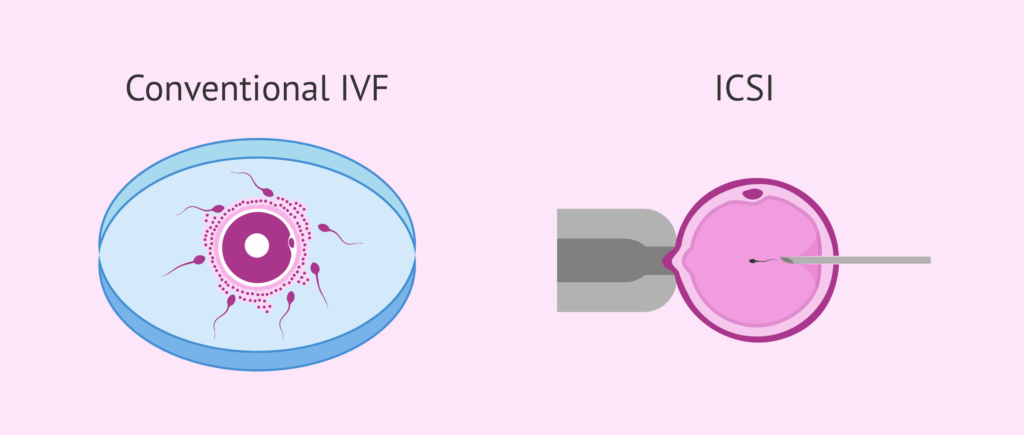
Poor sperm quality can reduce fertilization rates and affect embryo development. In such cases, techniques like ICSI (Intracytoplasmic Sperm Injection) may be used.
Embryo Quality
Once fertilization occurs, the focus shifts to embryo development.
Why It Matters
High-quality embryos are more likely to:
- Implant successfully in the uterus
- Develop into a healthy pregnancy
Embryologists evaluate embryos based on their growth and structure before selecting the best ones for transfer.
Uterine Health and Implantation
Even the best embryo needs a healthy environment to implant.
Factors Affecting Implantation
- Uterine lining thickness
- Presence of fibroids or polyps
- Hormonal balance
A receptive uterus increases the chances of embryo implantation and pregnancy.
Lifestyle Factors That Influence IVF Success
Your daily habits can significantly impact IVF outcomes.
1. Diet and Nutrition
A balanced diet rich in vitamins, antioxidants, and healthy fats supports reproductive health.
2. Weight Management
Both underweight and overweight individuals may experience lower success rates.
3. Smoking and Alcohol
These can negatively affect egg and sperm quality, reducing IVF success.
4. Stress Levels
While stress alone may not cause failure, managing it can improve overall well-being during treatment.
Number of IVF Cycles
IVF success is not always achieved in a single cycle.
- Some couples may conceive in the first attempt
- Others may require multiple cycles
Cumulative success rates increase with repeated attempts, especially when embryos are frozen for future use.
Fresh vs Frozen Embryo Transfer
Both methods are commonly used in IVF.
1. Fresh Transfer
Embryos are transferred in the same cycle as egg retrieval.
2. Frozen Transfer
Embryos are frozen and transferred in a later cycle.
In many cases, frozen embryo transfers have shown comparable or even improved success rates due to better timing and uterine preparation.
Role of Advanced Technologies
Modern IVF techniques have improved success rates significantly.
1. Genetic Testing (PGT)
Preimplantation genetic testing helps identify chromosomally normal embryos, increasing the chances of success.
2. Improved Lab Conditions
Advanced laboratories provide optimal environments for embryo development.
3. Personalized Treatment Plans
Doctors tailor protocols based on individual health factors, improving outcomes.
Choosing the Right Fertility Clinic
The clinic you choose can influence your experience and results.
Look for:
- Experienced fertility specialists
- Transparent success rates
- Advanced technology and facilities
- Positive patient reviews
A good clinic not only improves your chances but also supports you throughout the journey.
Managing Expectations
IVF is a powerful tool, but it is not guaranteed.
It’s important to:
- Understand that success rates vary
- Be prepared for emotional ups and downs
- Stay informed and involved in your treatment plan
Having realistic expectations can make the process less stressful.
Emotional and Psychological Factors
The IVF journey can be emotionally challenging.
- Anxiety and uncertainty are common
- Support from partners, family, or counselors can help
Mental well-being plays an important role in navigating the process successfully.
Tips to Improve Your IVF Success Chances
- Start treatment earlier if possible
- Follow your doctor’s advice carefully
- Maintain a healthy lifestyle
- Stay consistent with medications
- Keep a positive and informed mindset
Small, consistent efforts can make a meaningful difference.
Also Read: Is IVF Covered by Insurance? A Complete Guide
Final Thoughts
IVF success rates are influenced by a combination of biological, medical, and lifestyle factors. While age and egg quality remain the most critical elements, other aspects such as sperm health, embryo quality, and uterine conditions also play vital roles.
Rather than focusing solely on statistics, it’s more helpful to understand your individual situation and work closely with your fertility specialist. With the right approach, support, and expectations, IVF can offer a hopeful path toward parenthood.
Every journey is unique, and while challenges may arise, advancements in fertility science continue to improve the chances of success for many couples worldwide.