
Introduction
For many people starting their IVF journey, one of the most confusing and emotionally loaded questions is what happens to embryos after they are created. The process can feel highly technical, and medical terms are often introduced quickly, leaving intended parents unsure about what’s happening behind the scenes. Understanding each stage can bring clarity, reduce anxiety, and help you feel more involved in decision-making.
This beginner-friendly guide explains what typically happens to embryos after IVF, from fertilization to storage, transfer, and future options.
From Egg Retrieval to Fertilization
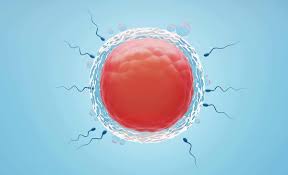
The IVF process begins with egg retrieval, after which the eggs are taken to the laboratory and combined with sperm. Fertilization may occur through conventional IVF, where sperm and eggs are placed together, or through ICSI (intracytoplasmic sperm injection), where a single sperm is injected into an egg.
Once fertilization occurs, the fertilized egg becomes an embryo. This marks the starting point of a carefully monitored developmental process that takes place in a controlled laboratory environment.
Early Embryo Development in the Lab
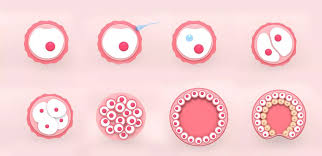
After fertilization, embryos are cultured in incubators that closely mimic conditions inside the human body. Embryologists monitor them daily to assess development and quality.
- Day 1: Confirmation of fertilization
- Day 2–3: Embryos divide into multiple cells
- Day 4: Compaction stage, where cells begin organizing
- Day 5–6: Development into blastocysts
Not all embryos develop at the same pace, and it’s normal for some to stop growing along the way. This natural selection helps identify embryos with stronger developmental potential.
What Is a Blastocyst and Why It Matters
A blastocyst is a more advanced-stage embryo, typically reached around day five or six. At this stage, the embryo has differentiated into two parts—one that will form the baby and another that will become the placenta.
Blastocysts are often preferred for transfer or freezing because reaching this stage suggests stronger developmental potential. However, the decision to transfer earlier-stage embryos or blastocysts depends on individual medical factors and clinic protocols.
Embryo Grading and Quality Assessment
Embryos are evaluated and graded based on their appearance, cell structure, and rate of development. Grading helps embryologists and fertility specialists decide which embryos may be best suited for transfer or freezing.
It’s important to remember that grading is a helpful tool, not a guarantee. Many healthy pregnancies have resulted from embryos that were not considered “perfect” under the microscope.
Fresh Embryo Transfer vs Frozen Embryo Transfer
Once embryos reach an appropriate stage, the next step is deciding when transfer will occur.
In a fresh embryo transfer, one embryo is transferred into the uterus during the same IVF cycle. In a frozen embryo transfer, embryos are cryopreserved and transferred in a later cycle after the body has had time to recover.
Frozen transfers have become increasingly common and successful due to advances in freezing technology and better preparation of the uterine environment.
What Happens to Remaining Embryos?
Not all embryos created during IVF are transferred immediately. If there are additional viable embryos, they may be frozen and stored for future use. These embryos can later be used for:
- Future pregnancy attempts
- Sibling planning
- Additional transfer cycles if the first attempt is unsuccessful
Embryo storage allows flexibility and reduces the need to repeat the entire IVF process from the beginning.
Embryo Freezing and Storage Explained
Embryos are frozen using a process called vitrification, which rapidly cools them to prevent ice crystal formation. This method has significantly improved embryo survival rates during thawing.
Frozen embryos are stored under carefully regulated conditions and can remain preserved for extended periods. Storage duration and policies vary depending on local regulations and clinic guidelines.
Genetic Testing of Embryos
In some cases, embryos may undergo genetic testing before transfer. This testing is typically done at the blastocyst stage and involves analyzing a small number of cells.
Genetic testing can help identify chromosomal abnormalities, which may reduce the risk of implantation failure or miscarriage. However, testing is optional and not recommended for everyone. Your fertility specialist will guide you based on your medical history and goals.
Emotional and Ethical Considerations
Decisions about embryos can be emotionally complex. Many individuals and couples experience mixed feelings about embryo storage, future use, or long-term plans.
Clinics usually discuss available options clearly and encourage thoughtful decision-making. It’s completely normal to take time, ask questions, and revisit decisions as circumstances change.
If an IVF Cycle Is Unsuccessful
If a transfer does not result in pregnancy, frozen embryos may allow for additional attempts without repeating egg retrieval. This can reduce both physical and emotional strain while keeping future options open.
Each IVF journey is unique, and outcomes can vary from cycle to cycle. Having embryos stored often provides reassurance and flexibility moving forward.
Also Read: Egg Retrieval in IVF: What to Expect and How to Prepare
Final Thoughts
Understanding what happens to embryos after IVF can make the process feel less overwhelming and more transparent. From fertilization and development to transfer and storage, each step is carefully guided by medical expertise and tailored to individual needs.
While IVF involves science and technology, it is also a deeply personal experience. Staying informed empowers you to make decisions with confidence, ask the right questions, and feel more connected to your fertility journey—one step at a time.