
Introduction
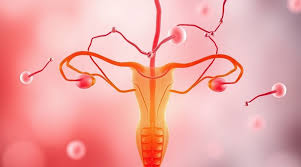
In vitro fertilization (IVF) is one of the most advanced and widely used fertility treatments today. While much of the focus is often on procedures and success rates, hormonal health plays a central role in every stage of the IVF journey. From preparing the body for egg retrieval to supporting implantation, hormones guide and regulate the entire process.
Understanding how hormones function during IVF can help you feel more informed, prepared, and confident as you move through treatment.
What Is IVF?
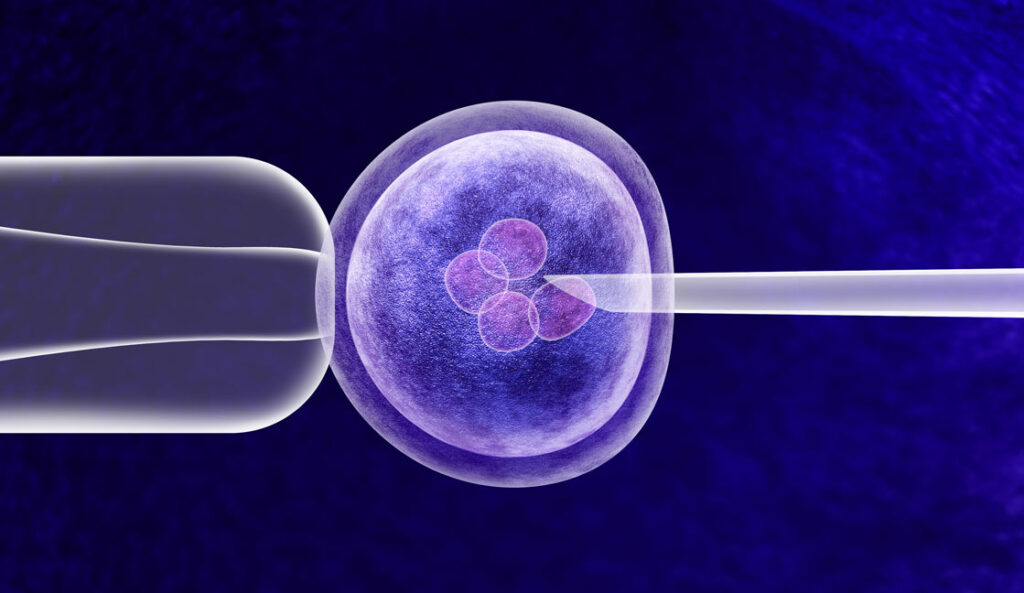
IVF is a fertility treatment in which eggs are retrieved from the ovaries, fertilized with sperm in a laboratory, and then transferred back into the uterus. The goal is to support successful fertilization and implantation.
While the process involves medical procedures, it is heavily driven by hormones that control ovulation, egg development, and the uterine environment.
Why Hormonal Health Matters in IVF
Hormones act as the body’s chemical messengers, coordinating reproductive functions. In IVF, doctors carefully monitor and adjust hormone levels to:
- Stimulate the ovaries to produce multiple eggs
- Control the timing of ovulation
- Prepare the uterine lining for embryo implantation
- Support early pregnancy
Balanced and well-managed hormones increase the chances of a successful outcome.
Key Hormones Involved in IVF
Several hormones play important roles throughout the IVF process.
1. Follicle-Stimulating Hormone (FSH)
FSH helps stimulate the ovaries to produce follicles, each of which contains an egg. During IVF, medications often include synthetic FSH to encourage the development of multiple eggs instead of just one.
2. Luteinizing Hormone (LH)
LH triggers ovulation in a natural cycle. In IVF, doctors carefully control LH levels to prevent premature ovulation and ensure eggs are retrieved at the right time.
3. Estrogen
Estrogen is produced by developing follicles and helps thicken the uterine lining. A healthy uterine lining is essential for embryo implantation.
Monitoring estrogen levels gives doctors insight into how the ovaries are responding to stimulation.
4. Progesterone
Progesterone prepares and maintains the uterine lining after ovulation. During IVF, progesterone support is often provided to create an optimal environment for the embryo.
5. Human Chorionic Gonadotropin (hCG)
hCG is used in IVF to trigger final egg maturation before retrieval. It mimics the natural LH surge that occurs in a typical menstrual cycle.
How Hormones Are Managed During IVF
IVF involves carefully timed hormonal support to guide the body through each stage of the process.
1. Ovarian Stimulation
At the beginning of IVF, medications are used to stimulate the ovaries. These medications increase FSH levels, encouraging multiple follicles to develop.
This phase requires close monitoring through blood tests and ultrasounds to track hormone levels and follicle growth.
2. Ovulation Control
To prevent early ovulation, additional medications are used to regulate LH levels. This ensures that eggs are retrieved at the optimal time.
3. Egg Retrieval and Fertilization
Once the follicles reach the right size, an hCG trigger shot is given. Eggs are then retrieved and fertilized in a lab.
4. Luteal Phase Support
After embryo transfer, progesterone is often prescribed to support the uterine lining and improve the chances of implantation.
Common Hormonal Side Effects During IVF
Because IVF involves hormonal medications, it’s normal to experience some side effects.
These may include:
- Bloating or mild discomfort
- Mood changes
- Fatigue
- Breast tenderness
- Headaches
These effects are usually temporary and vary from person to person.
Hormonal Imbalances and IVF Outcomes
Pre-existing hormonal imbalances can influence IVF success. Conditions such as:
- Polycystic ovary syndrome (PCOS)
- Thyroid disorders
- Irregular menstrual cycles
may require additional monitoring and treatment before or during IVF.
Addressing these issues can help improve the body’s response to treatment.
Supporting Hormonal Health Naturally
While medical treatment is central to IVF, lifestyle choices can also support hormonal balance.Maintain a Balanced Diet
Eating nutrient-rich foods can support overall health and hormone function. Focus on:
- Whole foods
- Healthy fats
- Adequate protein
1. Manage Stress
Stress can influence hormone levels and overall well-being. Techniques such as meditation, light exercise, and relaxation practices can be helpful.
2. Get Enough Sleep
Quality sleep plays a key role in hormone regulation. Aim for consistent and restful sleep each night.
3. Stay Physically Active
Gentle physical activity can support circulation, mood, and overall hormonal balance. However, intense exercise should be avoided during certain IVF stages.
The Emotional Aspect of Hormonal Changes
Hormones don’t just affect the body—they also influence emotions. It’s common to experience mood swings or heightened sensitivity during IVF.
Building a support system, whether through family, friends, or counseling, can make a significant difference in managing the emotional aspects of treatment.
Working with Your Healthcare Team
IVF is a highly personalized process. Your healthcare team will tailor hormone treatments based on your specific needs.
Regular monitoring ensures:
- Hormone levels stay within optimal ranges
- Adjustments can be made quickly if needed
- The best possible conditions for success are maintained
Open communication with your doctor helps you stay informed and confident throughout the process.
Also Read: How Long Does the IVF Process Take?
Final Thoughts
Hormonal health is at the heart of IVF. From stimulating egg development to supporting implantation, hormones guide every step of the journey. While the process can feel complex, understanding the role of hormones can make it more manageable and less overwhelming.
By combining medical care with supportive lifestyle habits and emotional well-being, you can create a balanced approach to IVF. With the right guidance and preparation, you’ll be better equipped to navigate the process and move forward with clarity and confidence.