
For couples experiencing fertility challenges, IVF treatment can offer an important path toward pregnancy. However, one of the most common questions people have before starting treatment is: How many IVF cycles may I need to get pregnant?
The answer is different for every person. Some couples may achieve pregnancy after their first IVF cycle, while others may need two or more attempts. Factors such as age, egg and sperm quality, ovarian reserve, underlying fertility conditions, embryo quality, lifestyle, and the treatment protocol can all influence the outcome.
If you are considering IVF in Udaipur, understanding how IVF cycles work and what can affect the chances of success can help you approach treatment with realistic expectations.
What Is an IVF Cycle?
An IVF cycle is a series of medical steps designed to help achieve pregnancy through assisted reproductive technology. During IVF, eggs are collected from the ovaries and fertilized with sperm in a laboratory. The resulting embryo or embryos may then be transferred into the uterus.
A typical IVF cycle involves several stages:
- Initial fertility evaluation
- Ovarian stimulation
- Monitoring of follicle development
- Egg retrieval
- Fertilization
- Embryo development in the laboratory
- Embryo transfer or embryo freezing
- Pregnancy testing
The length of an IVF cycle can vary depending on the treatment protocol and the individual’s response to medication.
How Many IVF Cycles Are Usually Needed?
There is no fixed number of IVF cycles that applies to everyone. Some people may conceive during their first cycle, whereas others may require multiple cycles.
The number of cycles recommended depends on several individual factors. Your fertility specialist may review your previous treatment results, age, ovarian reserve, reproductive history, sperm parameters, and other health factors before deciding whether another cycle may be appropriate.
It is important to remember that one unsuccessful IVF cycle does not necessarily mean that IVF will not work. Your doctor may evaluate what happened during the first attempt and make changes to improve the next treatment cycle.
For some couples, a second IVF cycle may provide another opportunity to obtain suitable eggs, create viable embryos, or improve the treatment approach.
Does IVF Work on the First Attempt?
Yes, pregnancy can occur after the first IVF cycle, but success is not guaranteed.
The likelihood of success can vary considerably between individuals. Age is one of the major factors because egg quantity and quality generally decline with age. Other factors, including embryo quality, sperm health, uterine conditions, and the cause of infertility, can also influence the outcome.
Because of these differences, it is better to discuss your individual chances with a fertility specialist rather than relying on a general success rate.
Factors That Can Affect the Number of IVF Cycles You May Need
1. Age
Age plays an important role in fertility treatment outcomes. Younger patients generally have a higher chance of producing eggs capable of developing into healthy embryos.
As age increases, egg quantity and quality may decline, which can affect fertilization, embryo development, and implantation.
This does not mean IVF cannot work at an older age. However, your fertility specialist may recommend a treatment plan based on your age and ovarian reserve.
2. Ovarian Reserve
Ovarian reserve refers to the quantity of eggs remaining in the ovaries. Tests such as AMH and antral follicle count may help doctors assess ovarian reserve.
A lower ovarian reserve does not automatically mean pregnancy is impossible, but it may affect how many eggs can be collected during an IVF cycle.
3. Egg Quality
Egg quality is another important consideration. Even when several eggs are retrieved, not every egg will fertilize or develop into a viable embryo.
This is one reason why some couples may require more than one IVF cycle to achieve a successful pregnancy.
4. Sperm Quality
Male fertility factors can also influence IVF outcomes. Sperm count, movement, and morphology may affect fertilization and embryo development.
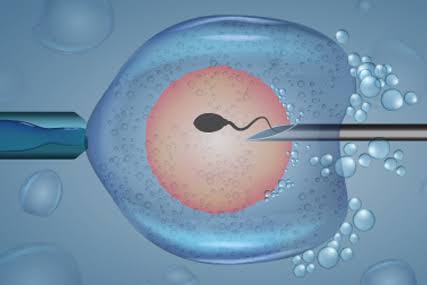
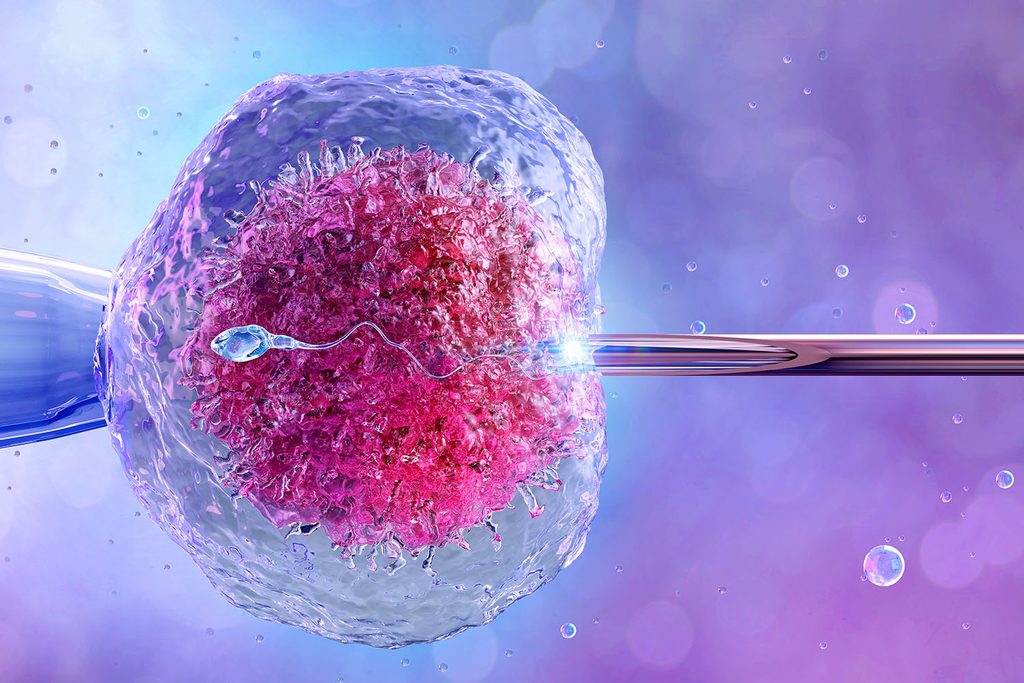
Depending on the situation, a fertility specialist may recommend additional testing or techniques such as ICSI, where a single sperm is injected directly into an egg.
5. Embryo Quality
Not every fertilized egg develops into an embryo suitable for transfer. Embryo development is an important stage of IVF treatment.
The number and quality of embryos available can influence the chances of pregnancy and whether additional IVF cycles may be needed.
6. Cause of Infertility
The underlying reason for infertility can also affect treatment outcomes. Conditions affecting the ovaries, fallopian tubes, uterus, sperm, or hormonal balance may require different approaches.
Some couples may also have unexplained infertility, where standard testing does not identify a clear cause.
7. Previous IVF Results
If you have already undergone IVF, the results from that cycle can provide useful information.
Your fertility specialist may review:
- Number of eggs retrieved
- Number of mature eggs
- Fertilization rate
- Number of embryos created
- Embryo quality
- Embryo transfer results
- Hormonal response
- Pregnancy test results
This information can help determine whether changes should be considered before another cycle.
When Should You Consider Another IVF Cycle?
If the first IVF cycle is unsuccessful, it does not always mean that another attempt should begin immediately.
Your doctor may first review the treatment outcome and determine whether there were identifiable factors that could be addressed.
Depending on your circumstances, your fertility specialist may recommend:
- Adjusting stimulation medication
- Conducting additional fertility tests
- Reviewing sperm health
- Assessing the uterus or uterine lining
- Changing the embryo transfer strategy
- Considering frozen embryo transfer
- Addressing lifestyle factors
- Allowing time for physical and emotional recovery
The timing of another cycle should be individualized rather than based on a fixed schedule.
Is It Possible to Use Frozen Embryos Instead of Starting a New IVF Cycle?
Yes. If embryos were successfully created and frozen during an earlier IVF cycle, a frozen embryo transfer may be possible.
A frozen embryo transfer generally does not require another egg retrieval cycle. Instead, the uterus is prepared for embryo transfer, and a previously frozen embryo is transferred.
This can be an important option for couples who have suitable frozen embryos available.
How Long Should You Wait Between IVF Cycles?
There is no universal waiting period that applies to everyone.
Some patients may be able to proceed relatively soon, while others may benefit from taking additional time before another attempt. Your doctor may consider your physical recovery, hormone levels, ovarian response, emotional wellbeing, and the results of the previous cycle.
If your first IVF attempt was unsuccessful, speak with your fertility specialist before starting another cycle. A review of the previous treatment can help determine the most appropriate next step.
What Can You Do to Prepare for Another IVF Cycle?
Preparing for another IVF cycle involves more than simply repeating the previous treatment. Your fertility team may review your earlier cycle and determine whether any changes could improve your treatment plan.
You can also focus on maintaining healthy habits.
Maintain a Balanced Diet
A balanced diet can support overall health during fertility treatment. Include vegetables, fruits, whole grains, protein sources, and healthy fats as part of your regular meals.
Your doctor may also recommend specific supplements depending on your individual needs.
1. Maintain a Healthy Weight
Being significantly underweight or overweight may affect reproductive health and pregnancy outcomes. If appropriate, discuss healthy weight management with your doctor.
2. Avoid Smoking and Tobacco
Smoking can negatively affect fertility and reproductive health. Avoiding tobacco products is an important part of preparing for fertility treatment.
3. Limit Alcohol
It is generally advisable to discuss alcohol consumption with your fertility specialist, particularly during active fertility treatment and pregnancy planning.
4. Manage Stress
IVF can be emotionally demanding. Stress management cannot guarantee IVF success, but activities such as walking, relaxation exercises, yoga, meditation, or spending time with supportive people may help you cope with the treatment process.
Does Having More IVF Cycles Increase the Chance of Pregnancy?
Having multiple IVF cycles can provide additional opportunities to retrieve eggs, create embryos, and achieve pregnancy. However, this does not mean that every additional cycle will automatically increase the chance of success.
The potential benefit of another cycle depends on factors such as age, ovarian reserve, embryo development, previous treatment results, and the underlying cause of infertility.
A fertility specialist can help you understand whether another cycle is likely to be beneficial in your specific situation.
When Should You Reconsider IVF Treatment?
Sometimes, repeated IVF cycles may not be the best option. Your fertility specialist may recommend reassessing the treatment plan if several attempts have been unsuccessful.
Depending on your circumstances, your doctor may discuss other possibilities, such as:
- Changing the IVF protocol
- Additional fertility investigations
- Donor eggs or sperm
- Donor embryos
- Different embryo transfer approaches
- Other assisted reproductive options
- Alternative family-building options
These decisions are highly personal and should be made after discussing the potential benefits, risks, costs, and emotional considerations with your fertility team.
Choosing the Right IVF Centre in Udaipur
If you are searching for IVF treatment in Udaipur, choosing the right fertility centre is an important decision.
Consider factors such as:
- Experience of the fertility specialists
- Available fertility treatments
- Laboratory facilities
- Embryology expertise
- Individualized treatment planning
- Transparency about treatment costs
- Communication and patient support
- Availability of required diagnostic tests
Instead of choosing a clinic based only on advertised success rates, ask how success rates are measured and whether the information applies to patients with circumstances similar to yours.
Questions to Ask Your IVF Specialist
Before starting or repeating an IVF cycle, consider asking your doctor:
- What factors may affect my IVF success?
- How did my previous cycle perform?
- How many eggs were retrieved and fertilized?
- What was the quality of the embryos?
- Should my treatment protocol be changed?
- Do I need additional fertility tests?
- Are frozen embryos available for transfer?
- How long should I wait before another cycle?
- What are the expected costs of another cycle?
- What other fertility options should I consider?
Having a detailed discussion can help you understand your treatment plan and make informed decisions.
How Much Does IVF Treatment Cost in Udaipur?
The cost of IVF in Udaipur can vary depending on the treatment plan and the procedures required.
Expenses may include consultations, fertility investigations, medications, ovarian stimulation, egg retrieval, laboratory procedures, embryo culture, embryo transfer, freezing, and other recommended services.
Some patients may require additional procedures, which can increase the overall cost.
Before beginning treatment, ask your fertility centre for a clear explanation of the expected expenses and what is included in the treatment package.
Also Read: How Age Affects IVF Treatment and Fertility
Final Thoughts
There is no single answer to the question, “How many IVF cycles may I need?” Every fertility journey is different. Some couples may achieve pregnancy during their first attempt, while others may need additional cycles or changes to their treatment approach.
If you are considering IVF in Udaipur, speak with an experienced fertility specialist for an individualized evaluation. Understanding your fertility factors, reviewing previous treatment results, and discussing your available options can help you make informed decisions about the next step in your IVF journey.
Remember that IVF is a medical treatment, and success cannot be guaranteed. Your fertility specialist is the best person to explain your individual chances, treatment options, and whether another IVF cycle may be appropriate for you.