
Introduction
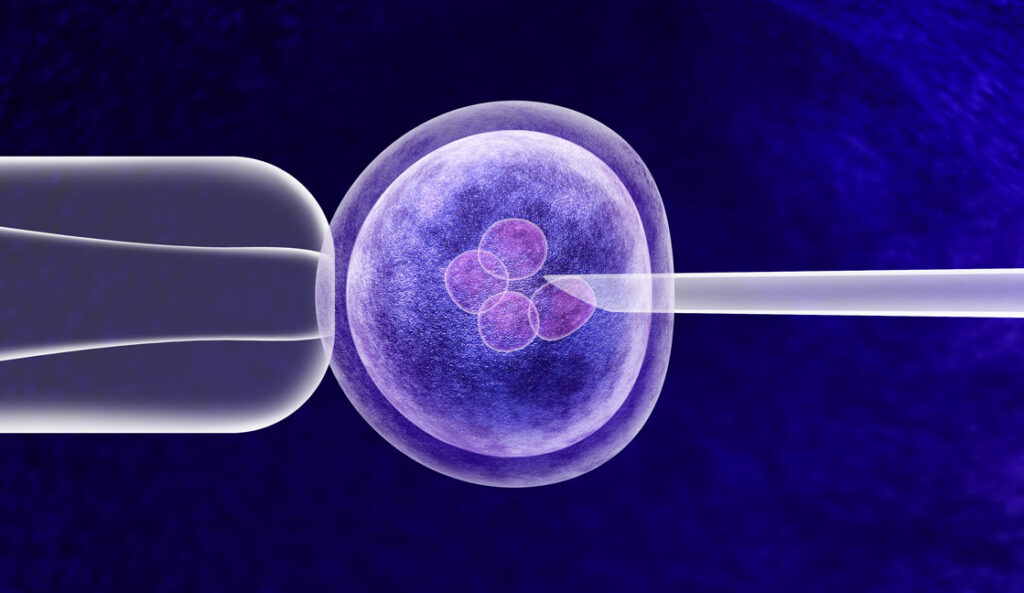
In vitro fertilization (IVF) has helped millions of couples worldwide achieve their dream of parenthood. But one of the most common questions people ask before starting treatment is:
Who is actually a good candidate for IVF?
IVF isn’t the first step for every fertility journey — but for many individuals and couples, it becomes the most effective option when other treatments haven’t worked.
Let’s explore who may benefit most from IVF, what doctors evaluate, and when this treatment is typically recommended.
What Is IVF?
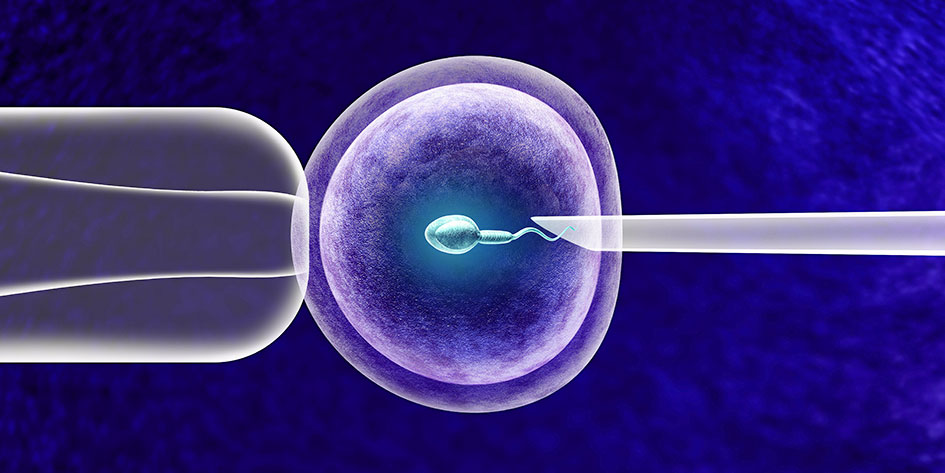
IVF (In Vitro Fertilization) is a fertility treatment where:
- Eggs are retrieved from the ovaries.
- They are fertilized with sperm in a laboratory.
- The resulting embryo is transferred into the uterus.
Because fertilization happens outside the body, IVF can bypass several fertility challenges that prevent natural conception.
General Requirements for IVF Consideration
A good IVF candidate typically:
- Has been trying to conceive for 12+ months (or 6+ months if over 35)
- Has identifiable fertility challenges
- Has healthy enough ovaries or access to donor eggs
- Has a uterus capable of carrying a pregnancy (or access to a gestational carrier)
- Is physically able to undergo hormonal stimulation
However, each case is unique. Fertility specialists evaluate multiple medical factors before recommending IVF.
Common Situations Where IVF Is Recommended
1️⃣ Blocked or Damaged Fallopian Tubes
When fallopian tubes are blocked or severely damaged, sperm cannot reach the egg naturally. IVF bypasses the tubes entirely by fertilizing eggs in a lab.
2️⃣ Severe Male Factor Infertility
If sperm count, movement (motility), or shape (morphology) is significantly reduced, IVF combined with ICSI (Intracytoplasmic Sperm Injection) may be recommended.
ICSI involves injecting a single sperm directly into an egg to improve fertilization chances.
3️⃣ Ovulation Disorders (Including PCOS)
Women who do not ovulate regularly — or at all — may benefit from IVF if other treatments like medication have failed.
IVF allows doctors to stimulate egg production and retrieve mature eggs directly.
4️⃣ Endometriosis
Endometriosis can affect egg quality, ovarian function, and fallopian tube health. IVF may improve pregnancy chances when natural conception is difficult.
5️⃣ Advanced Maternal Age (35+)
Fertility declines with age, particularly after 35.
Women over 35 who have difficulty conceiving naturally may consider IVF sooner rather than later, as egg quantity and quality decrease over time.
6️⃣ Low Ovarian Reserve
Low AMH (Anti-Müllerian Hormone) levels indicate reduced egg supply.
While IVF may not reverse ovarian reserve, it can help maximize available eggs during a controlled cycle.
7️⃣ Unexplained Infertility
Sometimes, all fertility tests appear normal — yet pregnancy doesn’t occur.
In such cases, IVF can help overcome unknown barriers by closely monitoring fertilization and embryo development.
8️⃣ Genetic Concerns
Couples with known genetic disorders may use IVF with PGT (Preimplantation Genetic Testing) to screen embryos before transfer.
This reduces the risk of passing certain inherited conditions.
9️⃣ Same-Sex Couples or Single Parents
IVF provides family-building options for:
- Same-sex female couples
- Same-sex male couples (with egg donor and surrogate)
- Single individuals using donor sperm or eggs
Who May Not Be an Ideal Candidate?
IVF may be more complex or require additional considerations for individuals who:
- Have untreated severe uterine abnormalities
- Have certain medical conditions that make pregnancy unsafe
- Have extremely low ovarian response without donor egg options
- Are not medically cleared for hormonal stimulation
A fertility specialist will evaluate overall health before recommending IVF.
What Doctors Evaluate Before IVF
Before confirming candidacy, doctors typically assess:
- Hormone levels (AMH, FSH, LH)
- Ovarian reserve
- Uterine health via ultrasound
- Semen analysis
- Medical history
- Age
- Lifestyle factors
This comprehensive evaluation ensures the safest and most effective treatment plan.
Emotional Readiness Matters Too
IVF can be physically and emotionally demanding.
Good candidates are often those who:
- Understand the process
- Are prepared for possible multiple cycles
- Have emotional support
- Are ready for financial planning
Mental preparedness plays a significant role in navigating the journey.
Does Being a “Good Candidate” Guarantee Success?
No fertility treatment can guarantee pregnancy.
Success rates depend on:
- Age
- Egg quality
- Sperm health
- Underlying fertility issues
- Clinic expertise
However, identifying strong candidates increases the likelihood of positive outcomes.
When Should You Consult a Fertility Specialist?
You may consider consultation if:
- You’re under 35 and have tried for 12 months
- You’re over 35 and have tried for 6 months
- You have known reproductive health conditions
- You’ve experienced multiple pregnancy losses
Early evaluation can clarify options and avoid unnecessary delays.
Also Read: IVF Injections: Types, Side Effects, and Tips to Manage Them
Final Thoughts
A good candidate for IVF is someone whose fertility challenges can be effectively addressed through assisted reproductive technology.
Blocked tubes, male infertility, ovulation disorders, age-related decline, unexplained infertility, or genetic concerns are all common reasons IVF is recommended.
If you’re unsure whether IVF is right for you, the best first step is a professional fertility evaluation. Every fertility journey is unique — and personalized guidance makes all the difference.