
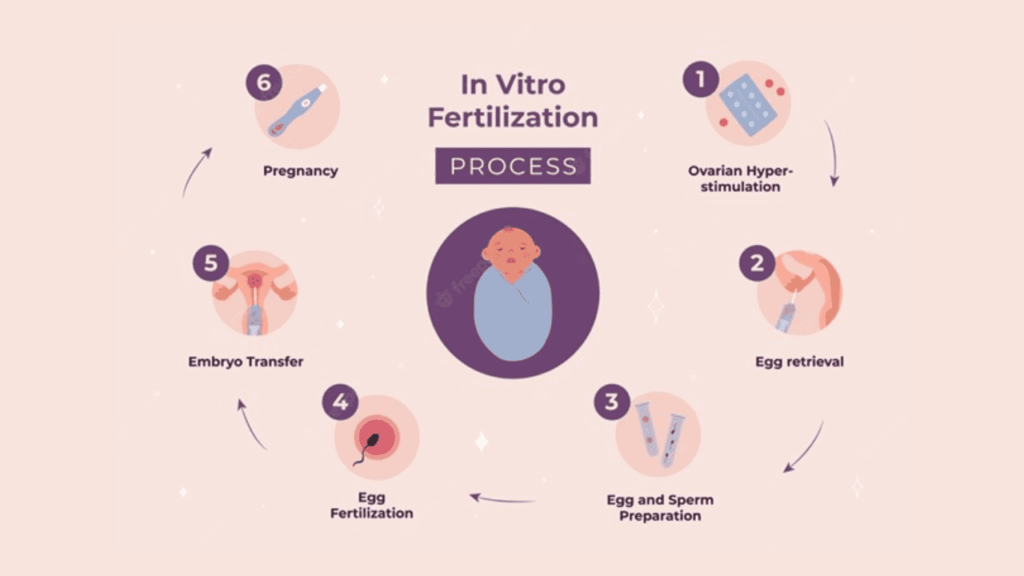
Starting a family is an exciting journey, but for many couples, conception doesn’t always happen as quickly as expected. One of the most significant factors influencing fertility is age. While both men and women experience age-related changes in reproductive health, the impact is generally more pronounced in women. As people choose to delay parenthood for personal, educational, or career reasons, understanding how age affects fertility and the success of IVF treatment becomes increasingly important.
Although age can influence the chances of natural conception and the outcomes of fertility treatment, it does not mean that pregnancy is impossible. Modern reproductive medicine and advancements in Assisted Reproductive Technology (ART) have helped many individuals and couples achieve successful pregnancies. The key is early evaluation, timely intervention, and personalized care from an experienced IVF specialist.
In this blog, we’ll explore how age affects fertility in both women and men, its impact on IVF success rates, and when you should consider consulting a fertility expert.
Understanding the Relationship Between Age and Fertility
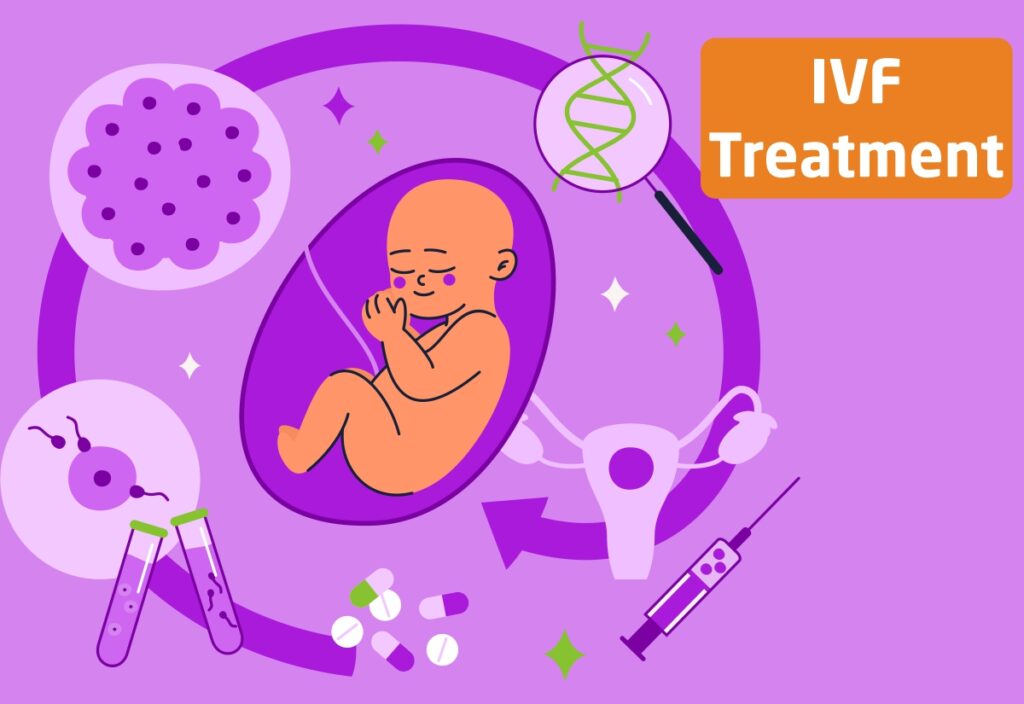
Fertility naturally changes over time. As people age, the quantity and quality of reproductive cells decline, which can make conception more challenging.
For women, age primarily affects:
- Egg quantity (ovarian reserve)
- Egg quality
- Hormonal balance
- Pregnancy outcomes
For men, aging can influence:
- Sperm quality
- Sperm motility
- Sperm DNA integrity
- Overall reproductive health
Understanding these changes helps couples make informed decisions about family planning and seek appropriate fertility treatment when needed.
How Female Age Affects Fertility
Female fertility is closely linked to age because women are born with a finite number of eggs. Over time, both the number and quality of these eggs decrease, affecting the chances of conception.
1. Fertility in Your 20s
The twenties are generally considered the peak reproductive years.
During this stage:
- Egg quality is typically at its best.
- Ovarian reserve is higher.
- Menstrual cycles are often more regular.
- The chances of natural conception are generally higher.
- Pregnancy complications tend to be less common compared to later reproductive years.
While fertility is generally highest during this period, individual health conditions can still affect reproductive outcomes.
2. Fertility in Your Early 30s
Many women choose to start a family in their early thirties, and many conceive naturally during this time.
However, gradual changes begin to occur:
- Egg quantity starts to decline.
- Egg quality slowly decreases.
- Fertility begins to reduce compared to the twenties.
- The likelihood of needing fertility evaluation may increase for some couples.
Although many women have healthy pregnancies in their early thirties, it’s important to seek medical advice if pregnancy does not occur after a reasonable period of trying.
3. Fertility After Age 35
After the age of 35, fertility tends to decline more noticeably.
Some common age-related changes include:
- Reduced ovarian reserve
- Lower egg quality
- Increased difficulty conceiving naturally
- Higher likelihood of chromosomal abnormalities in eggs
- Increased risk of miscarriage
These factors may also influence the success of IVF treatment, making early consultation with an IVF specialist especially valuable for women in this age group.
4. Fertility After Age 40
Although pregnancy is still possible after 40, natural conception generally becomes more challenging.
This is largely due to:
- A significant decline in egg quantity
- Reduced egg quality
- Lower ovarian reserve
- Increased risk of pregnancy complications
- Higher chances of chromosomal abnormalities
At this stage, many couples consider IVF treatment or other infertility treatment options after a comprehensive fertility evaluation.
It’s important to remember that every individual is different. Some women may maintain good ovarian reserve beyond 40, while others may experience earlier declines. Personalized medical assessment is essential.
Why Egg Quality Matters
Many people focus only on the number of eggs, but egg quality is equally important.
Healthy eggs are more likely to:
- Fertilize successfully.
- Develop into healthy embryos.
- Implant successfully in the uterus.
- Result in a healthy pregnancy.
As women age, the proportion of eggs with chromosomal abnormalities increases. This can reduce fertility and increase the risk of miscarriage.
Your fertility specialist may recommend specific tests to assess ovarian reserve and discuss the most appropriate treatment options based on your reproductive health.
How Male Age Affects Fertility
Although female age receives significant attention, male fertility also changes over time.
Men continue producing sperm throughout life, but age can affect sperm quality in several ways.
Age-related changes may include:
- Reduced sperm motility
- Lower sperm count in some individuals
- Increased DNA fragmentation
- Changes in sperm morphology
- Reduced semen quality
These changes can make conception more difficult and may influence IVF success rates, particularly in certain clinical situations.
Why Male Fertility Evaluation Is Important
Infertility is not solely a female issue.
In many couples experiencing difficulty conceiving, male factors also contribute to fertility challenges.
A comprehensive fertility evaluation often includes:
- Semen analysis
- Medical history review
- Lifestyle assessment
- Hormonal evaluation when appropriate
Addressing both male and female fertility factors helps fertility specialists develop the most effective treatment plan.
How Age Influences IVF Treatment
One of the most common questions couples ask is whether age affects the success of IVF treatment.
The answer is yes—age is one of the most important factors considered during IVF planning.
This is because age influences:
- Egg quality
- Embryo quality
- Implantation potential
- Pregnancy rates
- Miscarriage risk
However, age is only one part of the overall picture. Other factors, such as overall health, underlying fertility conditions, uterine health, sperm quality, and lifestyle, also play important roles in treatment outcomes.
An experienced IVF specialist evaluates all these factors before recommending a personalized treatment approach.
IVF Success Rates and Age
In general, IVF success rates tend to be higher in younger women because healthier eggs are more likely to produce viable embryos.
As maternal age increases, treatment may become more complex due to declining egg quality and ovarian reserve.
It’s important to understand that success rates vary based on several factors, including:
- Individual medical history
- Cause of infertility
- Embryo quality
- Uterine health
- Overall reproductive health
- Treatment protocol
Rather than focusing solely on age, fertility specialists consider the complete clinical picture when planning IVF treatment.
When Should You Consider IVF?
Couples should consider consulting an IVF specialist if they experience difficulty conceiving despite trying for an appropriate period based on age and individual circumstances.
A fertility consultation may be beneficial if:
- Pregnancy has not occurred after trying to conceive for several months, particularly for women aged 35 and older.
- There is a known history of infertility.
- Irregular ovulation or menstrual cycles are present.
- One partner has been diagnosed with a fertility-related condition.
- There is a history of recurrent pregnancy loss.
- Previous fertility treatments have not been successful.
Early evaluation can help identify potential causes of infertility and allow timely intervention, improving the chances of achieving a healthy pregnancy.
IVF Options for Different Age Groups
Every individual and couple has unique fertility needs. Age is an important consideration, but it is not the only factor that determines the right treatment plan. An experienced IVF specialist will recommend the most suitable approach after evaluating your overall reproductive health, medical history, and fertility goals.
1. IVF Treatment for Women Under 35
Women under 35 generally have a higher ovarian reserve and better egg quality, which may improve the chances of a successful IVF cycle. If IVF is recommended, the focus is often on optimizing embryo quality and supporting implantation.
2. IVF Treatment Between 35 and 40
As fertility gradually declines, timely evaluation becomes increasingly important. Your fertility specialist may recommend additional diagnostic tests to assess ovarian reserve and create a personalized treatment plan based on your individual needs.
3. IVF Treatment After 40
Although fertility naturally declines with age, many women in their 40s still pursue IVF treatment successfully. Treatment planning may require closer monitoring, individualized stimulation protocols, and detailed counseling about expected outcomes. The best approach depends on each person’s overall reproductive health rather than age alone.
Lifestyle Changes That Can Support Fertility
Healthy lifestyle habits cannot stop the natural aging process, but they can support overall reproductive health and prepare your body for fertility treatment.
1. Eat a Balanced Diet
A nutritious diet provides the vitamins, minerals, and antioxidants your body needs to support reproductive health.
Focus on:
- Fresh fruits and vegetables
- Whole grains
- Lean proteins
- Healthy fats
- Nuts and seeds
- Dairy or calcium-rich alternatives
A balanced diet also helps maintain a healthy body weight, which plays an important role in fertility.
2. Maintain a Healthy Weight
Both being underweight and overweight may affect hormone balance and ovulation. Maintaining a healthy weight through balanced nutrition and regular physical activity can support fertility and overall well-being.
3. Exercise Regularly
Moderate exercise supports cardiovascular health, reduces stress, and contributes to overall fitness. Walking, yoga, swimming, and cycling are excellent choices.
However, excessive or intense exercise may not be suitable for everyone undergoing IVF treatment, so always follow your fertility specialist’s advice.
4. Get Enough Sleep
Quality sleep is essential for hormone regulation and overall health. Aim for 7–9 hours of restful sleep each night and maintain a consistent sleep schedule.
5. Manage Stress
Trying to conceive can be emotionally challenging. While stress alone does not necessarily cause infertility, managing it can improve your overall well-being during the fertility journey.
Helpful stress-management techniques include:
- Meditation
- Deep breathing exercises
- Yoga
- Reading
- Spending time with loved ones
- Speaking with a counselor or support group if needed
6. Avoid Smoking and Excessive Alcohol
Smoking and excessive alcohol consumption are associated with reduced fertility in both men and women. Avoiding these habits supports reproductive health and may improve treatment outcomes.
Tips to Improve Your Chances Before IVF Treatment
Preparing your body before starting IVF treatment can help ensure you’re in the best possible health.
Some practical steps include:
- Schedule a comprehensive fertility evaluation.
- Follow your doctor’s treatment recommendations.
- Eat a nutritious diet.
- Stay physically active.
- Maintain a healthy weight.
- Take prescribed supplements only under medical guidance.
- Keep chronic medical conditions well managed.
- Attend all scheduled appointments.
- Discuss any medications you’re taking with your fertility specialist.
Preparation allows your healthcare team to tailor the treatment plan to your individual needs.
Common Myths About Age and IVF
There are many misconceptions about fertility and IVF. Understanding the facts can help couples make informed decisions.
Myth 1: IVF Guarantees Pregnancy at Any Age
Fact: IVF can help many people conceive, but no fertility treatment can guarantee pregnancy. Success depends on several factors, including age, egg quality, sperm quality, uterine health, and the underlying cause of infertility.
Myth 2: Fertility Problems Only Affect Women
Fact: Male fertility also plays a significant role. A complete fertility evaluation typically includes assessments for both partners.
Myth 3: You’re Too Young to Have Fertility Problems
Fact: Fertility challenges can affect adults of any reproductive age. Conditions such as PCOS, endometriosis, blocked fallopian tubes, thyroid disorders, or male factor infertility may occur in younger individuals as well.
Myth 4: Healthy Lifestyle Alone Can Reverse Age-Related Fertility Decline
Fact: Healthy habits support reproductive health but cannot completely prevent the natural decline in egg quantity and quality associated with aging.
Myth 5: IVF Should Be the Last Option
Fact: IVF is one of several fertility treatments. For some couples, other treatments may be appropriate first, while for others, IVF may be the most effective option based on their diagnosis.
When Should You Visit an IVF Specialist?
Seeking timely medical advice can make a significant difference in fertility planning.
Consider consulting an IVF specialist if:
- You have been trying to conceive without success.
- You have irregular menstrual cycles.
- You have been diagnosed with PCOS, endometriosis, or other reproductive conditions.
- You have experienced recurrent pregnancy loss.
- There is a known male fertility factor.
- You are planning pregnancy at an older reproductive age and would like a fertility assessment.
Early consultation allows potential concerns to be identified and managed before they become more challenging.
Also Read: IVF vs IUI: Which Fertility Treatment Is Right for You?
Conclusion
Age is one of the most important factors influencing fertility, but it is not the only one. While both women and men experience natural changes in reproductive health over time, advancements in IVF treatment and Assisted Reproductive Technology (ART) have created new opportunities for individuals and couples facing fertility challenges.
Understanding how age affects female fertility, male fertility, egg quality, ovarian reserve, and IVF success rates empowers couples to make informed decisions about family planning. Seeking timely evaluation from an experienced IVF specialist can help identify potential concerns early and create a personalized treatment strategy.
If you’re planning to start a family or have been trying to conceive without success, don’t let uncertainty delay your next step. A comprehensive fertility assessment and expert guidance can provide clarity about your reproductive health and the treatment options available. Early consultation often offers more choices and helps you move forward with confidence on your fertility journey.