
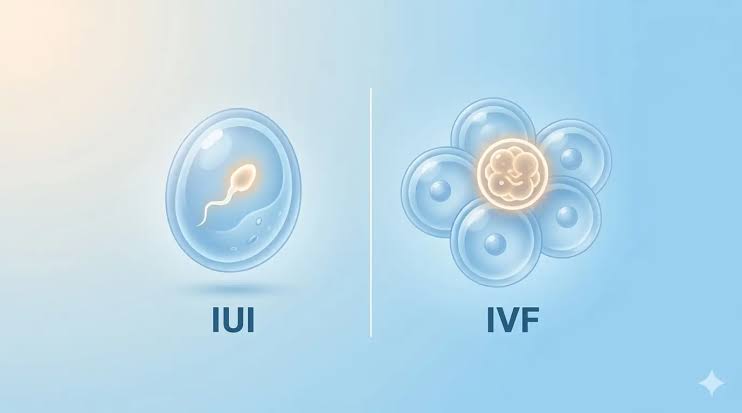
Infertility affects millions of couples worldwide, and with advances in reproductive medicine, there are several treatment options available to help individuals achieve their dream of parenthood. Two of the most common fertility treatments are In Vitro Fertilization (IVF) and Intrauterine Insemination (IUI). While both treatments aim to improve the chances of pregnancy, they differ significantly in terms of procedure, success rates, cost, and suitability.
If you are exploring fertility treatments, understanding the differences between IVF and IUI can help you make an informed decision. The best option depends on factors such as age, the cause of infertility, medical history, and your fertility specialist’s recommendations.
In this guide, we’ll compare IVF and IUI, discuss their advantages, limitations, and help you understand which treatment may be appropriate for different situations.
What Is IUI?
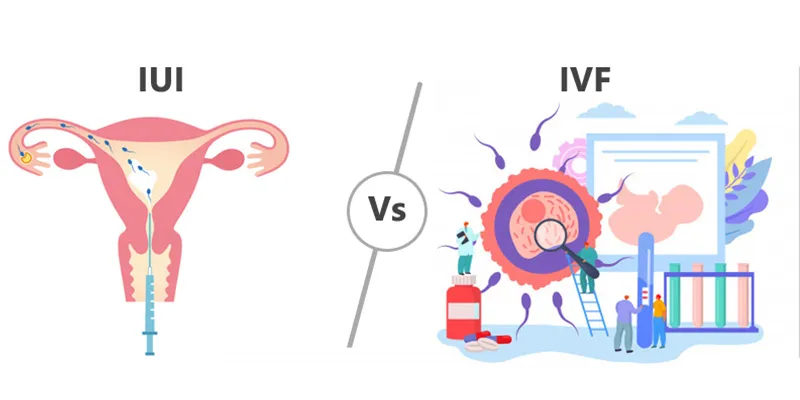
Intrauterine Insemination (IUI) is a fertility treatment in which specially prepared sperm is placed directly into the uterus during ovulation. The goal is to increase the number of sperm that reach the egg, improving the chances of fertilization.
IUI is considered a less invasive fertility treatment and is often recommended as an initial option for eligible couples.
What Is IVF?
In Vitro Fertilization (IVF) is a more advanced assisted reproductive technology (ART). During IVF, eggs are collected from the ovaries and fertilized with sperm in a laboratory. The resulting embryo is then transferred into the uterus.
IVF allows fertility specialists to closely monitor fertilization and embryo development before implantation.
IVF vs IUI: Understanding the Main Differences
| Feature | IUI | IVF |
|---|---|---|
| Procedure | Sperm is placed into the uterus | Eggs are fertilized in a laboratory before embryo transfer |
| Complexity | Less invasive | More advanced procedure |
| Treatment Duration | Usually shorter | Multiple treatment stages |
| Laboratory Fertilization | No | Yes |
| Embryo Transfer | No | Yes |
Both treatments are widely used, but the right choice depends on individual fertility needs.
When Is IUI Recommended?
A fertility specialist may recommend IUI in situations such as:
- Mild male factor infertility
- Unexplained infertility
- Ovulation disorders
- Cervical factor infertility
- Use of donor sperm in appropriate cases
The suitability of IUI depends on the results of fertility evaluations and overall reproductive health.
When Is IVF Recommended?
IVF may be considered in situations including:
- Blocked or damaged fallopian tubes
- Severe male factor infertility
- Advanced maternal age
- Endometriosis affecting fertility
- Repeated unsuccessful IUI cycles
- Certain genetic conditions requiring advanced reproductive techniques
A fertility specialist will recommend IVF after carefully assessing your medical history and diagnostic reports.
Step-by-Step: How IUI Works
The IUI process generally includes:
- Fertility evaluation
- Ovulation monitoring
- Semen collection
- Sperm preparation in the laboratory
- Placement of prepared sperm into the uterus
- Pregnancy test after the recommended waiting period
The procedure is usually completed without surgery.
Step-by-Step: How IVF Works
The IVF process typically involves:
- Initial fertility consultation
- Ovarian stimulation using fertility medications
- Monitoring of follicle development
- Egg retrieval
- Laboratory fertilization
- Embryo culture
- Embryo transfer
- Pregnancy test
Each stage is carefully monitored by the fertility team.
Factors That Influence Treatment Choice
Every fertility journey is unique. The most suitable treatment depends on several factors.
1. Age
Female age is one of the most important considerations in fertility treatment planning, as fertility naturally declines over time.
2. Cause of Infertility
The underlying reason for infertility plays a significant role in determining whether IUI or IVF is more appropriate.
3. Duration of Infertility
Couples who have been trying to conceive for an extended period may require more advanced treatment options depending on their diagnosis.
4. Medical History
Previous surgeries, reproductive conditions, hormonal disorders, and overall health influence treatment recommendations.
5. Fertility Test Results
Tests evaluating ovarian reserve, sperm quality, ovulation, and fallopian tube health help fertility specialists develop a personalized treatment plan.
Benefits of IUI
Some advantages of IUI include:
- Less invasive procedure
- Simpler treatment process
- Usually completed in a shorter time
- Often considered as an initial treatment option
- Does not require egg retrieval
The suitability of IUI varies from person to person.
Benefits of IVF
IVF offers several advantages in appropriate cases.
These include:
- Greater control over fertilization
- Ability to monitor embryo development
- Suitable for a wider range of fertility conditions
- Can overcome certain causes of infertility that IUI cannot address
- Advanced laboratory techniques can be incorporated when clinically indicated
Understanding Success Rates
Success rates for both IVF and IUI depend on multiple factors, including:
- Female age
- Cause of infertility
- Egg quality
- Sperm quality
- Embryo quality (for IVF)
- Overall reproductive health
Rather than comparing treatments based solely on success percentages, it is important to discuss your individual chances with a qualified fertility specialist.
Emotional Considerations
Fertility treatment is not only a medical journey but also an emotional one.
Couples may experience:
- Anxiety
- Hope
- Stress
- Excitement
- Uncertainty
Seeking support from family, counselors, or fertility support groups can make the process easier to navigate.
Lifestyle Habits That Support Fertility
While lifestyle changes cannot guarantee pregnancy, healthy habits may support overall reproductive health.
These include:
- Eating a balanced diet
- Maintaining a healthy weight
- Exercising regularly
- Managing stress
- Getting adequate sleep
- Avoiding smoking and excessive alcohol consumption
Your fertility specialist can provide personalized guidance based on your medical history.
Questions to Ask Your Fertility Specialist
Before beginning treatment, consider asking:
- Which treatment is most suitable for my diagnosis?
- What fertility tests are recommended?
- What are the benefits and limitations of each option?
- How many treatment cycles may be required?
- What lifestyle changes should I make before treatment?
- What follow-up care will I need?
Open communication helps patients better understand their treatment plan.
Why Choosing the Right Fertility Center Matters
Selecting a trusted IVF Center in India is just as important as choosing the appropriate treatment. An experienced fertility clinic provides comprehensive evaluations, modern laboratory facilities, personalized treatment plans, and ongoing support throughout the fertility journey.
When choosing a fertility center, consider:
- Experienced fertility specialists
- Advanced embryology laboratory
- Transparent communication
- Personalized patient care
- Ethical treatment practices
- Comprehensive diagnostic services
A well-equipped fertility center can help ensure that treatment recommendations are based on your individual needs rather than a one-size-fits-all approach.
Also Read: Frozen Embryo Transfer Success Rates Explained
Final Thoughts
Both IVF and IUI are established fertility treatments that have helped many individuals and couples pursue parenthood. While IUI is generally a less invasive option that may be suitable for certain fertility conditions, IVF is a more advanced treatment that can address a broader range of infertility challenges.
The right choice depends on factors such as age, fertility diagnosis, medical history, and reproductive goals. Consulting an experienced fertility specialist at a trusted IVF Center in India is the best way to determine which treatment aligns with your unique situation. With accurate diagnosis, personalized care, and the right medical guidance, you can take the next step in your fertility journey with confidence and realistic expectations.