
Introduction
Fertility is not constant throughout life—it evolves with age. For individuals or couples considering in vitro fertilization (IVF), understanding how age affects reproductive health is crucial. Age plays one of the most significant roles in determining both natural conception and IVF success rates.
This blog explores how fertility changes over time, how age impacts IVF outcomes, and what you can expect at different stages of life.
Why Age Matters in Fertility
A woman’s fertility is closely linked to the number and quality of her eggs, which naturally decline with age. Unlike men, who continuously produce sperm, women are born with a fixed number of eggs. Over time, both the quantity and genetic quality of these eggs decrease.
This decline affects:
- Chances of natural conception
- Egg response during IVF
- Embryo quality
- Risk of miscarriage
For men, age also plays a role, though the impact is generally more gradual. Sperm quality, motility, and DNA integrity may decline over time.
Fertility in Your 20s: Peak Reproductive Years
The 20s are considered the peak reproductive years. Egg quality is at its highest, and the chances of conception—both naturally and through IVF—are generally strong.
Key points:
- High ovarian reserve (number of eggs)
- Lower risk of genetic abnormalities
- Higher IVF success rates
Although IVF is less commonly needed at this stage, when used, it often yields favorable outcomes due to better egg quality and overall reproductive health.
Fertility in Your Early 30s: Still Favorable
Fertility remains relatively stable in the early 30s, though a slight decline may begin. Most individuals can still conceive without significant difficulty.
What to expect:
- Gradual decrease in egg quantity
- Egg quality still relatively good
- Strong IVF success rates
This is often considered a good window for IVF if needed, as outcomes are still positive and risks remain relatively low.
Fertility in Your Late 30s: Noticeable Decline
By the late 30s (around 35–39), fertility decline becomes more noticeable. Both egg quantity and quality decrease more rapidly during this phase.
Key changes:
- Reduced ovarian reserve
- Increased risk of chromosomal abnormalities
- Higher chances of miscarriage
IVF can still be effective, but success rates may be lower compared to earlier years. Doctors may recommend more advanced techniques, such as embryo screening, to improve outcomes.
Fertility in Your 40s: Significant Challenges
In the 40s, fertility declines more sharply. Natural conception becomes more difficult, and IVF success rates also decrease.
Challenges include:
- Low egg quality and quantity
- Higher risk of failed implantation
- Increased likelihood of genetic issues
Many individuals in this age group consider options like donor eggs, which can significantly improve IVF success rates.
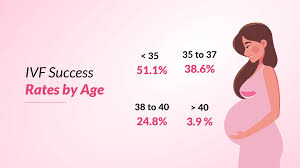
IVF Success Rates and Age
Age is one of the strongest predictors of IVF success. While exact numbers vary depending on individual health and clinic expertise, general trends show:
- Higher success rates under 35
- Moderate success rates between 35–37
- Declining success rates after 38
- Lower success rates over 40
It’s important to remember that these are averages. Individual outcomes can vary based on overall health, lifestyle, and specific fertility conditions.
Egg Quality vs. Egg Quantity
When discussing age and fertility, two factors matter most:
Egg quantity refers to how many eggs are available. This declines steadily over time.
Egg quality refers to the likelihood of an egg being genetically normal. This declines more sharply with age and has a major impact on IVF success.
Even if eggs are retrieved during IVF, poor quality can affect fertilization, embryo development, and implantation.
Male Fertility and Age
Although male fertility declines more slowly, age still has an impact. After the age of 40–45, men may experience:
- Reduced sperm motility
- Increased DNA fragmentation
- Lower fertilization rates
While IVF can often overcome some of these challenges, male age is still an important factor to consider.
Can IVF Overcome Age-Related Fertility Decline?
IVF can improve the chances of conception, but it cannot completely reverse the effects of aging—especially when it comes to egg quality.
However, certain techniques can help:
- Egg freezing (fertility preservation) at a younger age
- Preimplantation genetic testing (PGT) to select healthy embryos
- Donor eggs for improved success in older age groups
These options can significantly increase the likelihood of a successful pregnancy.
Tips to Support Fertility at Any Age
While age cannot be changed, certain lifestyle choices can support reproductive health:
- Maintain a balanced diet rich in nutrients
- Manage stress effectively
- Avoid smoking and excessive alcohol
- Stay physically active
- Seek early medical advice if trying to conceive
Taking proactive steps can help optimize fertility, regardless of age.
When Should You Consider IVF?
You may consider IVF if:
- You’ve been trying to conceive for over a year (or 6 months if over 35)
- You have known fertility issues
- You want to preserve fertility for the future
- Other treatments have not been successful
Early consultation with a fertility specialist can provide clarity and improve your chances of success.
Also Read: IVF and Hormonal Health: What You Need to Know
Final Thoughts
Age is one of the most important factors influencing fertility and IVF outcomes. While younger individuals generally have higher success rates, IVF offers hope across different age groups with the help of advancing medical technologies.
Understanding how fertility changes over time allows you to make informed decisions about family planning. Whether you’re considering IVF now or in the future, being proactive and informed can make a significant difference.