
Introduction
For couples and individuals exploring fertility treatments, one of the most common questions is how long the IVF process actually takes. In vitro fertilization (IVF) is a multi-step medical procedure designed to help people conceive when natural conception is difficult. While the treatment itself follows a structured sequence of stages, the overall timeline can vary depending on several personal and medical factors.
Understanding the duration of each stage can help patients prepare mentally, physically, and financially for the journey. Although a single IVF cycle typically lasts a few weeks, the entire process—from the first consultation to pregnancy testing—may take a few months.
Understanding the IVF Timeline
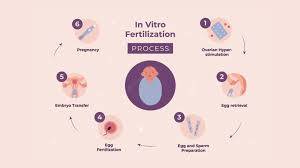
The IVF process is not a single appointment or procedure. Instead, it involves a series of carefully coordinated steps that help doctors retrieve eggs, fertilize them in a laboratory, and transfer embryos into the uterus.
Each stage must occur at the right time in a person’s reproductive cycle, which is why fertility specialists monitor hormone levels and ovarian response closely. The timeline may also change based on individual health conditions, age, fertility history, and how the body responds to medications.
For most patients, a full IVF cycle takes about four to six weeks, but preparation and additional testing before treatment can extend the overall timeline.
Initial Consultation and Fertility Testing
The IVF journey usually begins with an initial consultation with a fertility specialist. During this visit, the doctor reviews medical history, lifestyle factors, and previous fertility experiences.
Patients typically undergo several tests to evaluate reproductive health. These tests may include hormone level checks, ultrasound scans, ovarian reserve testing, and semen analysis for male partners. These evaluations help doctors determine whether IVF is the most appropriate treatment and how the protocol should be designed.
Completing these tests can take one to three weeks, depending on scheduling and laboratory results.
Ovarian Stimulation Phase
Once testing is complete and a treatment plan is created, the IVF cycle begins with ovarian stimulation. During this stage, patients take hormone medications to stimulate the ovaries to produce multiple eggs rather than the single egg typically released in a natural cycle.
These medications are usually administered through daily injections. Fertility specialists monitor progress through regular ultrasounds and blood tests to track follicle development and hormone levels.
The stimulation phase typically lasts 8 to 14 days. The goal is to encourage the growth of several mature eggs that can be retrieved during the next stage of the process.
Egg Retrieval Procedure
When the follicles reach the appropriate size, doctors schedule the egg retrieval procedure. This step occurs about 34 to 36 hours after a final “trigger” injection that prepares the eggs for collection.
Egg retrieval is a minimally invasive procedure performed under light sedation. Using ultrasound guidance, a thin needle is inserted through the vaginal wall to collect eggs from the ovaries.
The procedure usually takes about 20 to 30 minutes, and patients can typically go home the same day. Recovery time is short, although mild discomfort or fatigue may occur for a day or two.
Fertilization and Embryo Development
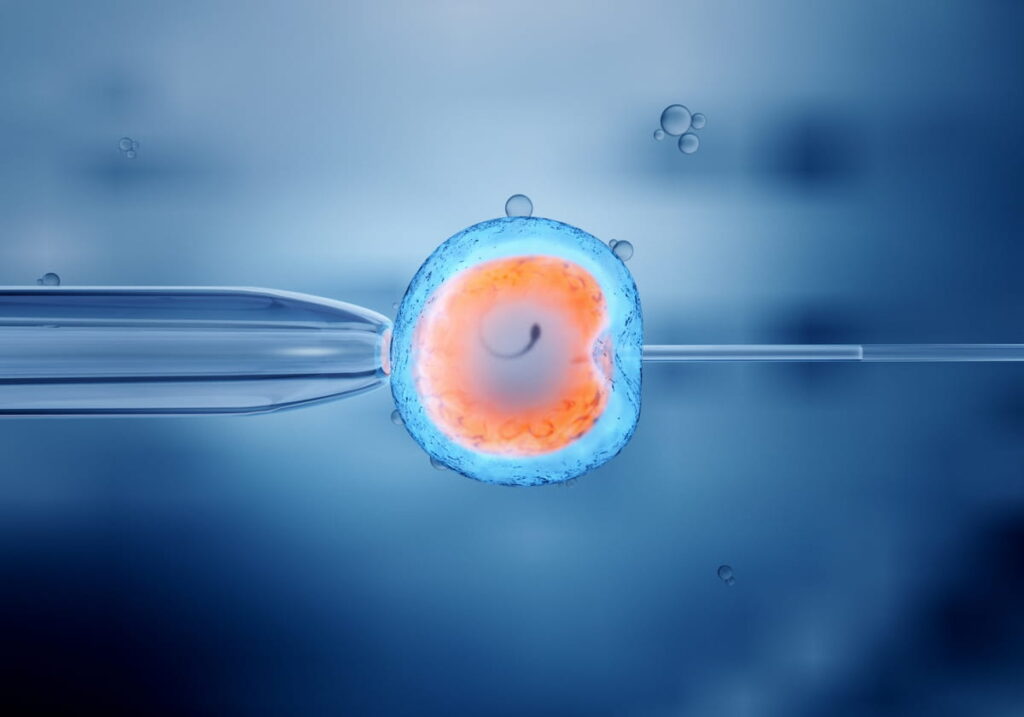
After egg retrieval, the collected eggs are taken to a laboratory where they are combined with sperm to create embryos. Fertilization may occur through conventional IVF or through a technique called intracytoplasmic sperm injection (ICSI), depending on the fertility diagnosis.
Once fertilization occurs, embryologists monitor embryo development carefully over several days. The embryos are usually cultured in the lab for three to five days before they are considered ready for transfer or freezing.
During this stage, specialists evaluate embryo quality and growth patterns to determine which embryos have the best potential for implantation.
Embryo Transfer
Embryo transfer is the step where one or more embryos are placed into the uterus. This procedure is generally quick and painless and does not require anesthesia.
A thin catheter is used to guide the embryo into the uterus under ultrasound guidance. The process typically takes only a few minutes.
In some cases, doctors perform a fresh embryo transfer a few days after egg retrieval. In other situations, embryos are frozen and transferred in a later cycle, which can extend the timeline by several weeks or months.
The Two-Week Wait
After embryo transfer, patients enter what is commonly called the two-week wait. During this period, the embryo may implant into the uterine lining if the treatment is successful.
Patients usually take hormone medications such as progesterone to support the uterine lining and increase the chances of implantation.
About 10 to 14 days after the embryo transfer, a blood test is performed to confirm whether pregnancy has occurred.
Total Time for One IVF Cycle
When all stages are combined, a single IVF cycle usually takes four to six weeks from the start of ovarian stimulation to the pregnancy test.
However, when including the initial consultation, fertility testing, and treatment planning, the entire process may take two to three months or longer.
If additional IVF cycles are required, the overall timeline may extend further depending on medical recommendations and patient readiness.
Factors That Can Affect the IVF Timeline
Several factors can influence how long the IVF process takes for each patient.
Age is one important consideration. Younger patients often respond more predictably to fertility medications, while older patients may require additional monitoring or adjustments to treatment protocols.
Underlying fertility conditions can also affect the timeline. Conditions such as polycystic ovary syndrome (PCOS), endometriosis, or low ovarian reserve may require customized treatment strategies that influence scheduling.
In some cases, doctors recommend genetic testing of embryos before transfer. Preimplantation genetic testing (PGT) requires embryos to be frozen while they are tested, which can add extra weeks to the process.
Personal scheduling, clinic availability, and medical recommendations can also affect how quickly treatment progresses.
Emotional and Physical Preparation
Although IVF is a medical procedure, it can also be an emotional journey. Many patients find that understanding the timeline helps reduce anxiety and creates realistic expectations.
Maintaining open communication with fertility specialists and support networks can make the experience easier to manage. Many clinics also provide counseling services to help patients navigate the emotional aspects of treatment.
Preparing for IVF often involves adopting healthy lifestyle habits, managing stress, and ensuring that both partners feel informed and supported throughout the process.
Also Read: Who Is a Good Candidate for IVF Treatment?
Conclusion
The IVF process involves several carefully coordinated stages, including fertility testing, ovarian stimulation, egg retrieval, fertilization, embryo development, and embryo transfer. While the core treatment cycle usually takes four to six weeks, the entire journey—from consultation to pregnancy testing—may take a few months.
Every patient’s experience is unique, and timelines can vary based on individual health factors and treatment plans. Understanding how the IVF process works and how long each stage typically takes can help patients approach fertility treatment with greater confidence and preparation.